It weighs 30 tonnes. Treat it accordingly.
Construction equipment, heavy machinery, and installed building technology represent some of the most significant purchase decisions a business ever makes. The imagery that supports those decisions rarely reflects that fact. We change that — without moving a single machine.
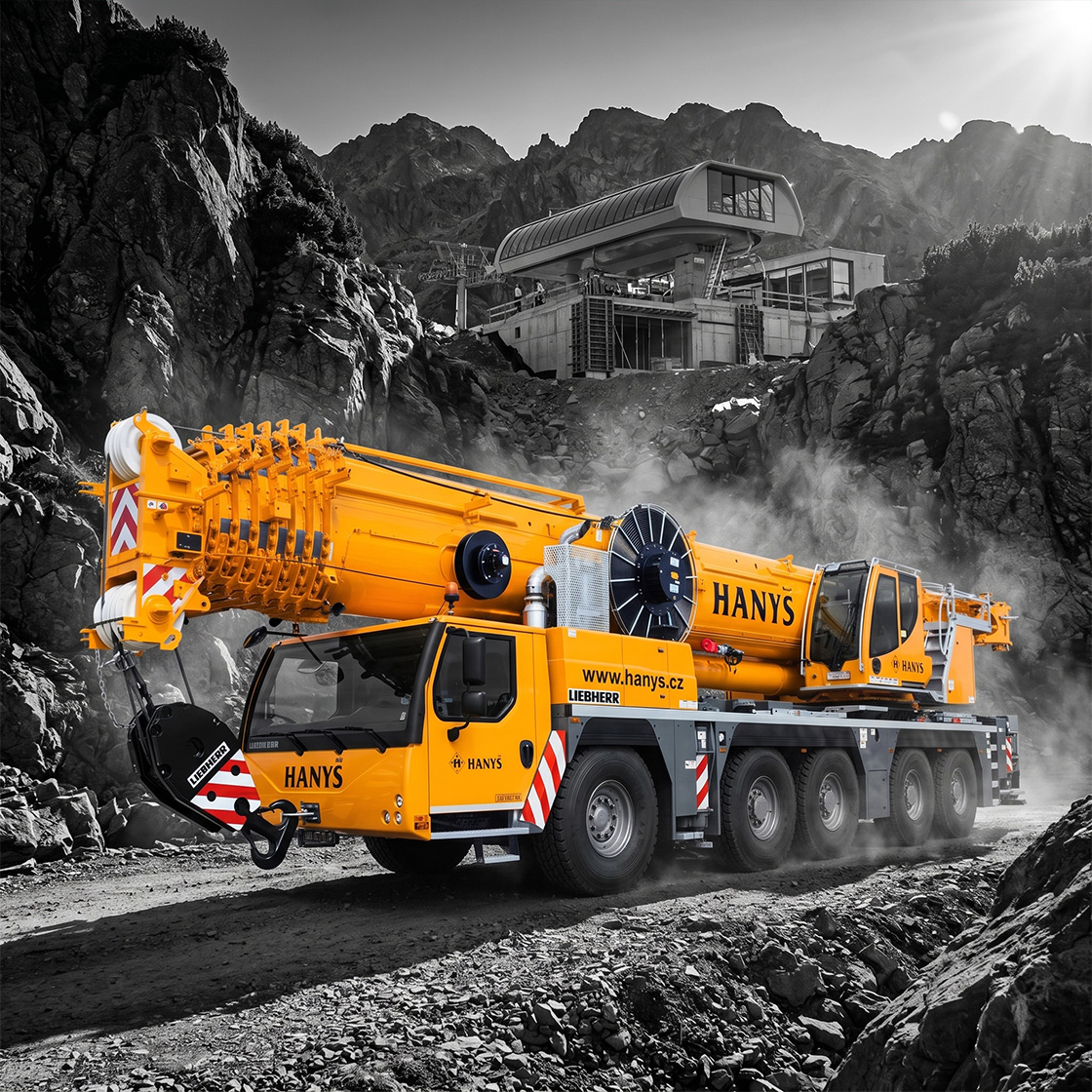
An excavator parked in a muddy yard under a grey sky. A crane photographed from a phone, mid-job, against a backdrop of scaffolding and site hoardings. A rental fleet listed online with twelve different lighting conditions across twelve different machines. This is the visual reality of construction and heavy industry — and it is quietly costing companies the credibility their equipment has long since earned. The machines are serious. The photographs should be too.
A fleet of machines, one standard of presentation.
For machinery rental companies and equipment dealers, consistent catalog photography is a production problem that has never had a satisfactory answer. You cannot move a 30-tonne excavator to a studio. You cannot gather an entire fleet in one place on one day with identical lighting, a clean yard, and no other equipment in the frame. What you end up with is a catalog where every machine looks like a different business photographed it — because effectively, they did.
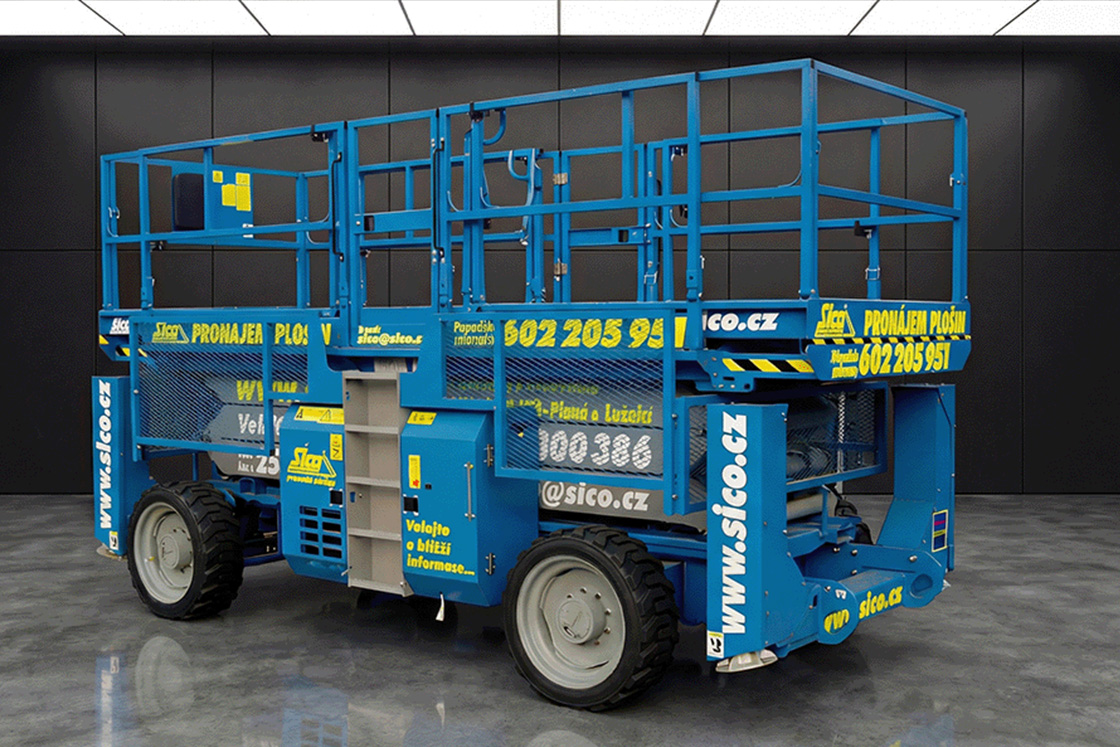
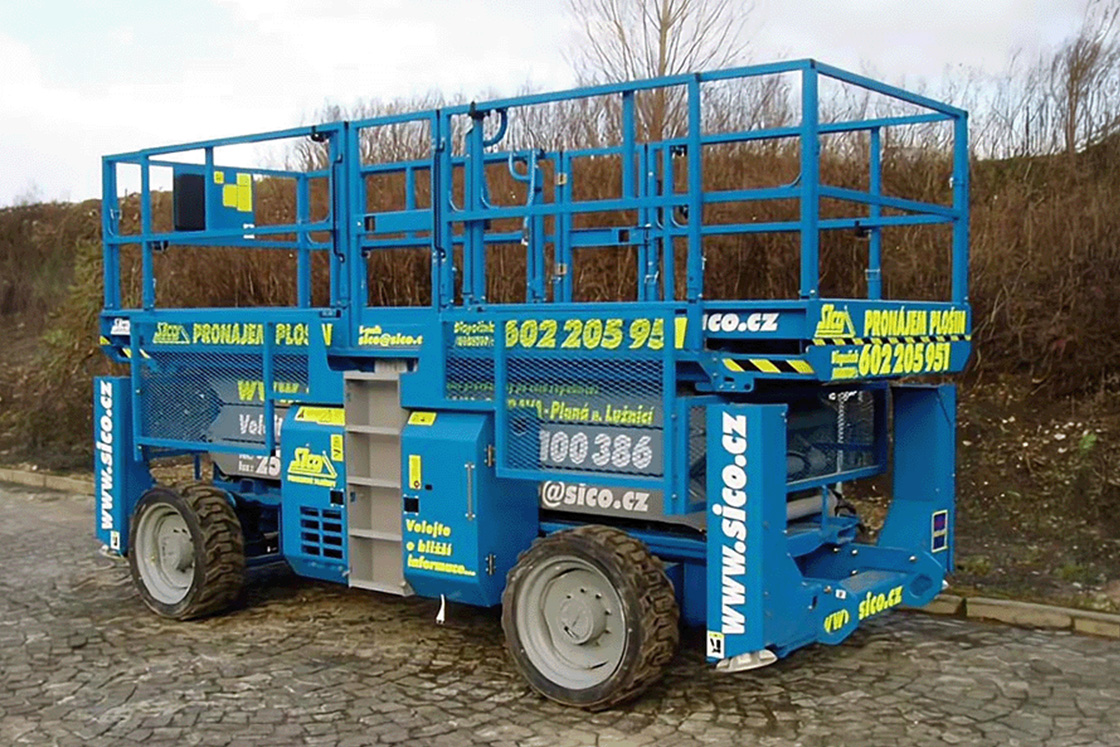
Our process begins with whatever you already have — a yard shot, a site photo, a dealer inventory image taken on a phone. We take that image and rebuild everything around the machine: consistent neutral environments, technically accurate lighting that respects the geometry and material of steel and rubber and hydraulic steel, backgrounds that communicate professionalism without distracting from the product. Every sticker, every decal, every piece of company branding applied to the machine is preserved exactly as it appears. Contact numbers stay readable. Logos stay precise. We clean the tracks and tyres without inventing a machine that doesn't exist. What the buyer sees is the machine they will receive — presented, for the first time, as the serious asset it is.
Your product deserves better than a building site backdrop.
Heat pumps, geothermal systems, swimming pool shells, underfloor heating infrastructure, solar arrays, ventilation units — these are premium products that represent a significant investment for any homeowner or developer. They are also, almost without exception, photographed at the worst possible moment: during installation, surrounded by rubble, open trenches, exposed pipework, and the general chaos of a building site that is weeks away from looking like anything. The buyer is asked to imagine the finished result. Most of the time, the photograph makes that harder, not easier.
We take those site photographs and place the product in the environment the client actually wants to live in. The heat pump that was photographed next to an open trench and a pallet of insulation boards now sits cleanly alongside a finished facade, in a garden with ten years of growth behind it, lit by the kind of afternoon sun that makes a house look like a home. The pool shell that was installed in bare concrete now reflects sky and greenery. The technology is unchanged. The context is everything. And context is precisely what we build.
Project portfolios that win the next tender.
Construction companies, civil engineering firms, and heavy industry contractors all share the same problem with their reference portfolios: the best moment to photograph a project is at handover, when everything is finished, clean, and working exactly as it should — and that is also the moment when the site crew has moved on, the client has taken over, and nobody has thought to arrange a photographer. What companies are left with are progress photos taken on phones during the build, documentation images meant for internal records, and the occasional shot grabbed on the last day before the keys were handed over.
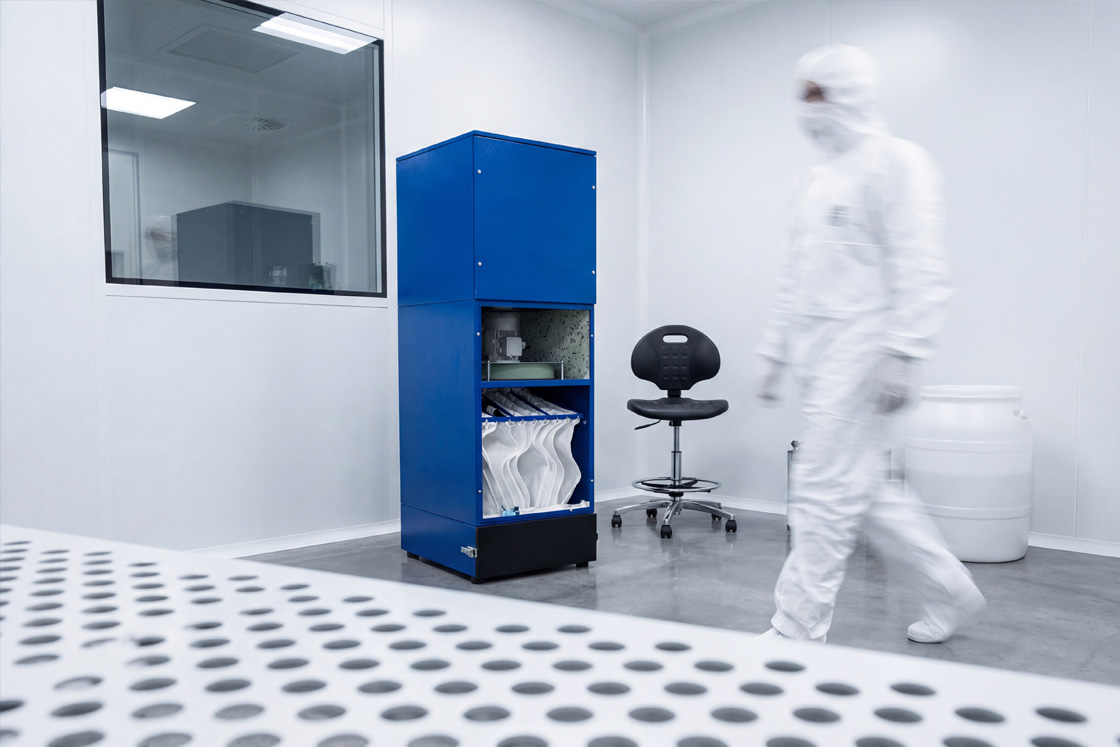
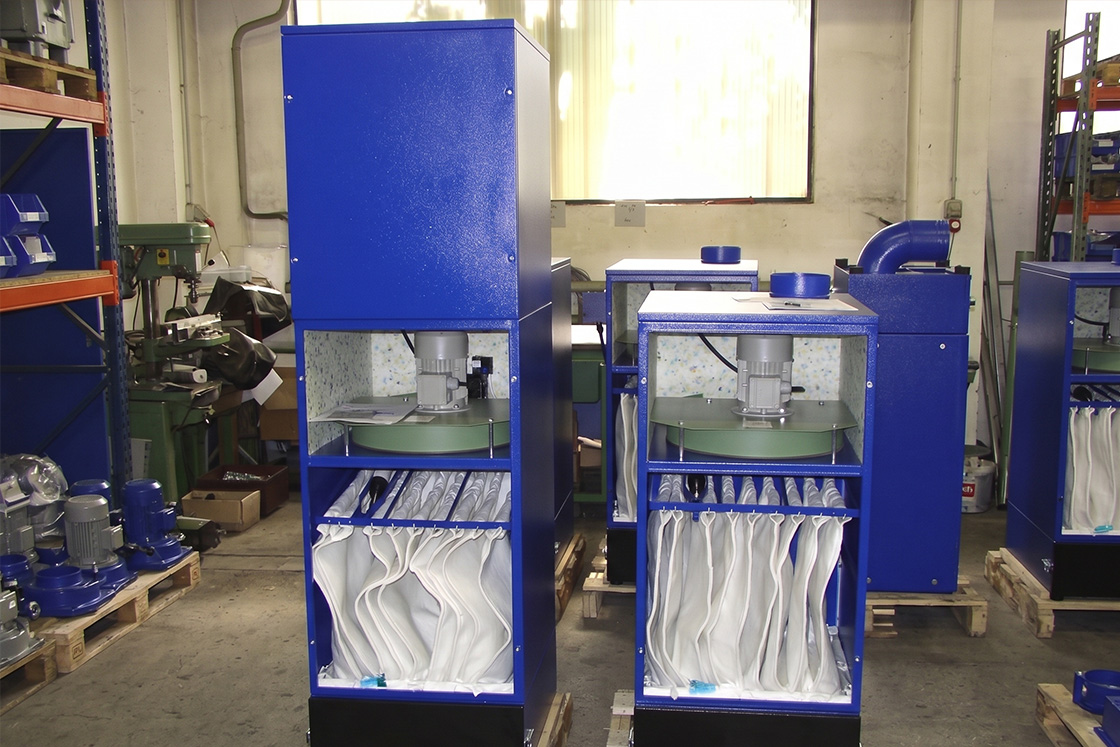
Those images can be elevated. A progress photo taken mid-build, with the structure complete but the surroundings still raw, can be placed into a finished context — correct landscaping, completed access roads, the kind of environment that communicates a project delivered to standard. The result is a project portfolio that tells the story a tender committee wants to hear: that you finish what you start, and that the outcome looks as good as the proposal said it would. For companies competing on reputation as much as price, that difference is not cosmetic — it is commercial.
We're here to help.
Send us an image from your current catalog or project archive — a yard shot, a site photo, anything you have. We will show you what it looks like when it is presented properly. No commitment required.
Get in touch